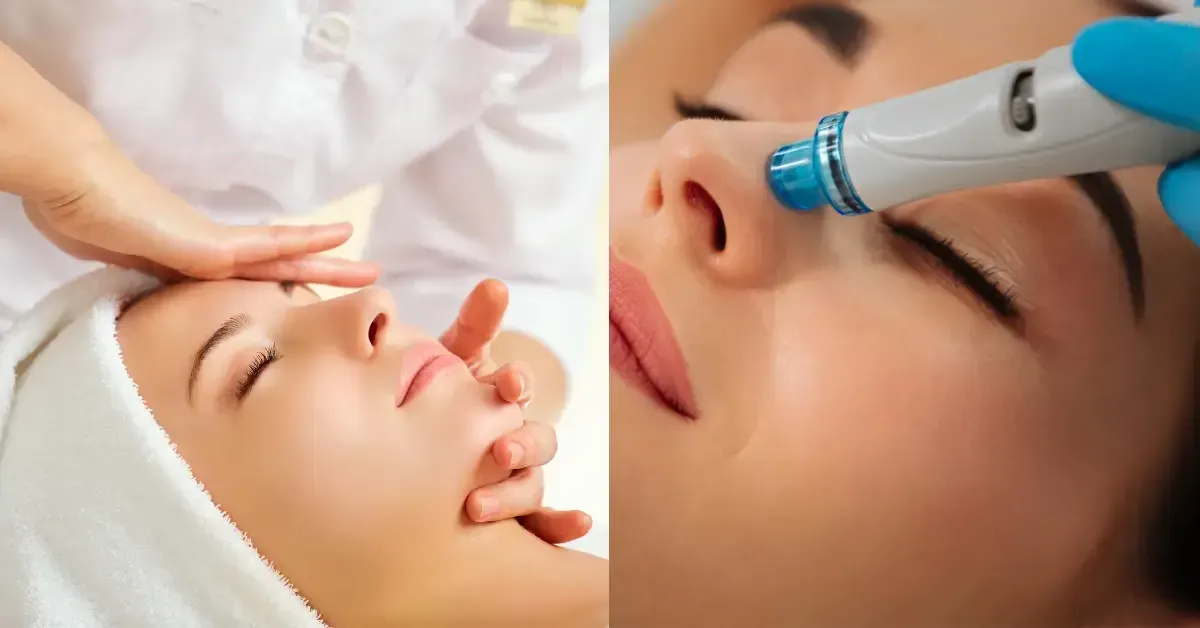
HydraFacial vs. Traditional Facial – Which Is Best for You in Greenville, SC?
Introduction
A professional facial can dramatically improve your skin’s appearance, but with so many options available, it’s hard to know which is right for you. Two popular choices are the classic traditional facial and the modern HydraFacial®. Each offers unique benefits, and the best option depends on your skin’s needs, time availability and budget. Below, we compare these treatments to help you decide.
What is a traditional facial?
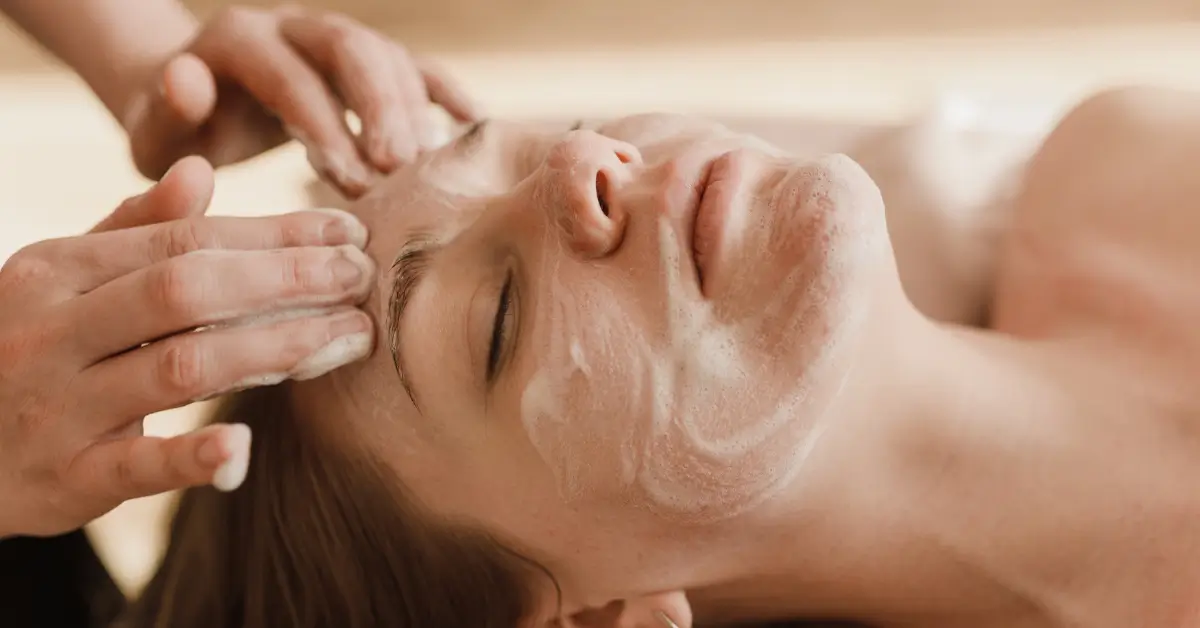
Traditional facials vary by spa but generally include five steps: cleansing, exfoliation (either manual or enzymatic), extraction of blackheads, application of masks and serums, and a facial massage. Estheticians may use steam to open pores and manual techniques to remove impurities. Masks are tailored to your skin type—for example, clay for oily skin or hydrating gel for dry skin. Massages improve circulation and relaxation. Traditional facials are versatile and can be adjusted with add‑ons like microdermabrasion or LED therapy. However, results depend largely on the esthetician’s skill. Some people experience redness or minor breakouts from manual extractions.
What is a HydraFacial?

A HydraFacial is a medical‑grade resurfacing treatment that combines cleansing, exfoliation, extraction and hydration in one session. It uses patented vortex‑fusion technology to deliver serums while simultaneously vacuuming away dead skin cells and debris.The standard procedure includes four steps:
Cleansing and exfoliation – A deplaning tool opens pores and sweeps away dead skin.
Acid peel – A gentle blend of glycolic and salicylic acids loosens dirt and impurities without irritation.
Extraction – The vacuum tip uses painless suction to clear clogged pores.
Hydration – Antioxidants, peptides and hyaluronic acid are infused into the skin to improve tone and texture.
Because the device does the work, treatments are consistent regardless of provider. Patients describe the sensation as a cool paintbrush gliding across the face. There’s no downtime, making it ideal before events. Add‑ons like lymphatic drainage, LED light therapy or boosters (e.g., vitamin C, growth factors) personalize the experience.
Comparative Benefits of Traditional Facial vs. HydraFacial
Exfoliation Method
Traditional Facial: Uses manual scrubs or enzymes, with results varying depending on the esthetician.
HydraFacial: Utilizes a vortex-fusion device that delivers even, controlled exfoliation with gentle acids.
Extraction
Traditional Facial: Involves manual pore extraction, which can be uncomfortable and may cause redness.
HydraFacial: Employs painless suction to remove debris with minimal irritation.
Hydration
Traditional Facial: Provides surface hydration through moisturizing masks.
HydraFacial: Delivers serums infused deep into the skin to hydrate and nourish effectively.
Customizability
Traditional Facial: Highly customizable with masks, massage, and add-ons.
HydraFacial: Also customizable with boosters and LED therapy, though its core steps are standardized.
Time & Downtime
Traditional Facial: Typically lasts 50–75 minutes, with possible redness or breakouts afterward.
HydraFacial: Takes about 30–45 minutes and involves no downtime.
Results
Traditional Facial: Results depend largely on the esthetician; can be relaxing and rejuvenating.
HydraFacial: Offers immediate brightness, smoother texture, and refined pores.
Cost
Traditional Facial: Generally costs less than a HydraFacial.
HydraFacial: Comes with a higher initial cost but includes multiple steps and targeted serums.

Who should choose which?
Traditional facials are ideal if you enjoy a relaxing spa experience, want a more hands‑on approach or have specific add‑on needs like extensive massage. They work well for people with relatively healthy skin who need maintenance and relaxation.
HydraFacial is ideal if you desire immediate results, have congested pores, acne or dull skin, or prefer a treatment with no downtime. It’s suitable for all skin types, including sensitive skin and darker complexions, because the vacuum technology is gentle and customizable.. It’s particularly beneficial in Greenville’s humid summers when sweat and pollution clog pores.
Budget and time also influence your choice. While HydraFacial costs more, it replaces the need for separate exfoliation, extraction and hydration treatments. For many clients, the quick results and minimal irritation justify the price.
Local considerations
Greenville’s warm, humid climate promotes oil production and pore congestion. The HydraFacial’s deep cleansing and extraction make it an excellent choice for removing sweat, sunscreen and pollutants. Traditional facials remain valuable during cooler months when skin may need extra nourishment and massage. Regardless of the treatment, apply broad‑spectrum sunscreen afterwards to protect your refreshed skin.
FAQs
Q: Does HydraFacial hurt? No. The vortex‑fusion tip feels like a cool paintbrush; there’s no discomfort or pinching.
Q: How often should I get a HydraFacial? For optimal results, schedule every 4–6 weeks. Traditional facials can also be done monthly depending on your skin’s needs.
Q: Can I combine a HydraFacial with a chemical peel or microdermabrasion? Yes, many med spas offer combination treatments. For example, dermaplaning before a HydraFacial enhances exfoliation.
Conclusion
Both HydraFacials and traditional facials have a place in a healthy skincare regimen. Choosing the right one depends on your skin concerns, preferences and budget. At Skin By Kim, we offer both options and tailor each treatment to the individual. If you need help deciding, schedule a consultation; we’ll analyze your skin and recommend the perfect facial for your goals.
