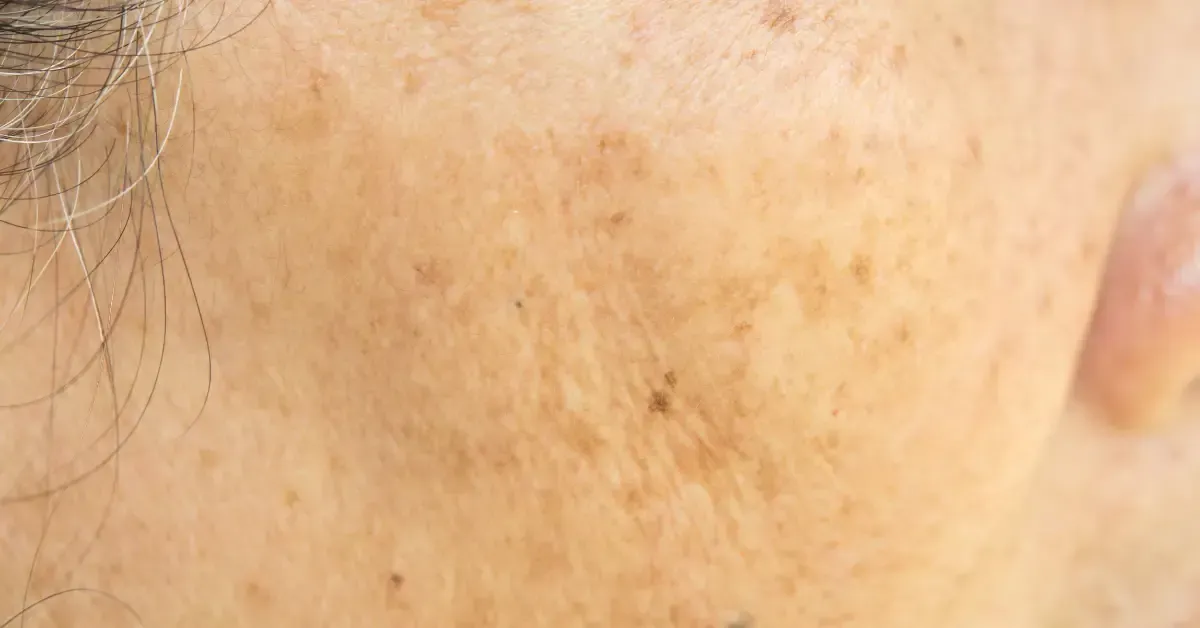
Effective Hyperpigmentation Treatments in Greenville, SC – Fade Dark Spots Naturally
Introduction
Hyperpigmentation refers to patches of skin that become darker than the surrounding area due to an overproduction of melanin. It can be triggered by sun exposure, hormonal changes (such as pregnancy), certain medications, inflammation from acne or injury, and underlying medical conditions like diabetes or thyroid disease. While not harmful, hyperpigmentation can affect self‑confidence. Thankfully, there are effective ways to fade dark spots and prevent new ones from forming.

Types of hyperpigmentation
Freckles and solar lentigines (age spots) – small, flat brown spots caused by sun exposure. Common on the face, hands and shoulders.
Melasma – symmetrical patches, often on the cheeks, forehead and upper lip, triggered by hormonal changes or sun exposure. More common in women, especially during pregnancy.
Post‑inflammatory hyperpigmentation (PIH) – dark spots that remain after acne, eczema or injury heal. It occurs when inflammation stimulates melanocytes to produce excess pigment.
Other forms – acanthosis nigricans (velvety dark patches in body folds) or medication‑induced pigmentation.
Prevention
The first line of defense is daily sun protection. UV radiation triggers melanin production and worsens existing spots. Apply a broad‑spectrum SPF 30+ every morning and reapply every two hours when outdoors. Wear hats and seek shade. Avoid tanning beds entirely. Don’t pick or squeeze pimples or scabs; this increases inflammation and risk of PIH. For melasma, manage hormonal triggers by discussing contraceptive options with your physician.
Home treatments

Several over‑the‑counter ingredients can gradually lighten hyperpigmentation. Patience is key—most topical treatments take several weeks to months to show improvement. Consider incorporating:
Retinoids – Vitamin A derivatives (retinol, retinaldehyde, adapalene) boost cell turnover, fade pigment and improve texture. Begin slowly to minimize irritation.
Vitamin C – A potent antioxidant that inhibits melanin production and brightens skin. Look for L‑ascorbic acid in concentrations of 10–20 %. Use in the morning under sunscreen.
Niacinamide – A form of vitamin B3 that reduces inflammation and blocks pigment transfer to skin cells.
Azelaic acid – Found in grains like barley, azelaic acid targets both acne and pigmentation. It’s suitable for sensitive and darker skin tones.
Kojic acid – Derived from fungi, it inhibits tyrosinase (an enzyme involved in melanin synthesis). Often combined with vitamin C.
Glycolic acid and salicylic acid – Alpha‑ and beta‑hydroxy acids that exfoliate the skin, helping pigments fade more quickly.
Tranexamic acid – An emerging ingredient that interrupts pathways leading to hyperpigmentation. Found in serums and creams.
Patch test new products and introduce one active at a time to avoid irritation. Always use sunscreen in conjunction with brightening agents to prevent further darkening.
Prescription treatments
For stubborn cases, dermatologists may prescribe:
Hydroquinone – A skin‑lightening agent that decreases melanin production. Prescription formulations (4–6 %) are usually applied for limited periods to avoid side effects. In the U.S., hydroquinone is available over the counter at 2 %, but prolonged use may cause ochronosis (blue‑black discoloration), so consult a professional.
Tretinoin – A stronger retinoid that increases cell turnover and improves discoloration.
Triple combination cream – Often containing hydroquinone, a retinoid and a steroid to enhance efficacy and reduce inflammation.
Topical tranexamic acid or cysteamine – Newer medications for melasma.
These treatments should be supervised by a dermatologist, especially for darker skin tones that are prone to PIH.
Professional procedures

Chemical peels – Superficial peels using glycolic, lactic or salicylic acids remove pigmented cells. Multiple sessions may be needed. Medium peels penetrate deeper and are effective for melasma but require longer recovery.
Laser therapy and intense pulsed light (IPL) – Target melanin with specific wavelengths. These treatments can quickly fade spots but carry risk of hypo‑ or hyperpigmentation, especially for darker skin. Always choose a provider experienced with your skin type.
Microneedling – Creates micro‑injuries that stimulate collagen and promotes even pigment distribution. It’s safe for most skin tones and improves texture as well.
Professional treatments deliver faster results but require strict sun avoidance and dedicated aftercare.
Considerations for darker skin tones
People with darker skin produce more melanin and are more prone to PIH when the skin is injured or inflamed. Opt for gentle treatments—lower‑strength chemical peels, mild retinoids, azelaic acid and niacinamide. Avoid aggressive lasers and always consult a provider experienced with ethnic skin. Patch tests are crucial before starting new products.
Local factors
South Carolina’s abundant sunshine and high UV index mean relentless sun protection is non‑negotiable. Even on overcast days or in winter, apply broad‑spectrum SPF and reapply every two hours when outdoors. Wearing wide‑brimmed hats and protective clothing helps prevent future spots. Humidity may reduce dryness but doesn’t protect against UV damage.
FAQs
Q: How long does it take to see results? Lightening hyperpigmentation is a marathon, not a sprint. OTC products may take 8–12 weeks, while professional treatments can show improvements within a few sessions. Consistency and sun protection are essential.
Q: Is hydroquinone safe? When used under medical supervision for limited periods, hydroquinone is effective and safe. Avoid long‑term use or combining it with other harsh agents. Alternatives like azelaic acid or tranexamic acid offer safer long‑term use.
Q: Will the spots come back? They can, especially with sun exposure or hormonal changes. Maintain preventative measures like sunscreen and continue a maintenance regimen.
Conclusion
Hyperpigmentation requires patience and a multi‑pronged approach. Combining sun protection, targeted home treatments and professional procedures can dramatically fade dark spots and even your complexion. At Skin By Kim, we assess the type and cause of your hyperpigmentation and design a treatment plan using medical‑grade products, chemical peels, microneedling or laser therapy as appropriate. Schedule a consultation to explore your options and regain a luminous, even skin tone.
